


Every time I mention vibe coding to my engineer friends, I get eye rolls and comments that vibe code is written terribly.
And my response is always the same: “It still works.”
I tested Replit in early 2025 and it was clunky. It reminded me to the early days (circa 2021) of copywriting tool Jasper.ai (formerly Jarvis.ai) Where it needed 700 words of instruction to produce 700 words of copy.
However, over the last 6 months there has been a material acceleration in my vibe coding platform of choice. I still use ChatGPT to flesh out the initial instructions, but the output lately is phenomenal.
When I say phenomenal, I know it’s not going to win any awards for most elegant code, but it is going to do exactly what I need it to do. And as a marketer, it’s becoming one of the most valuable skill sets I can add to my portfolio.
Recently I built a simple dashboard for my ad performance. I downloaded the raw data from Meta Ads into Google Sheets, plugged Replit into it, and built a custom dashboard that shows revenue, CAC, ROAS, conversions, and campaign performance.
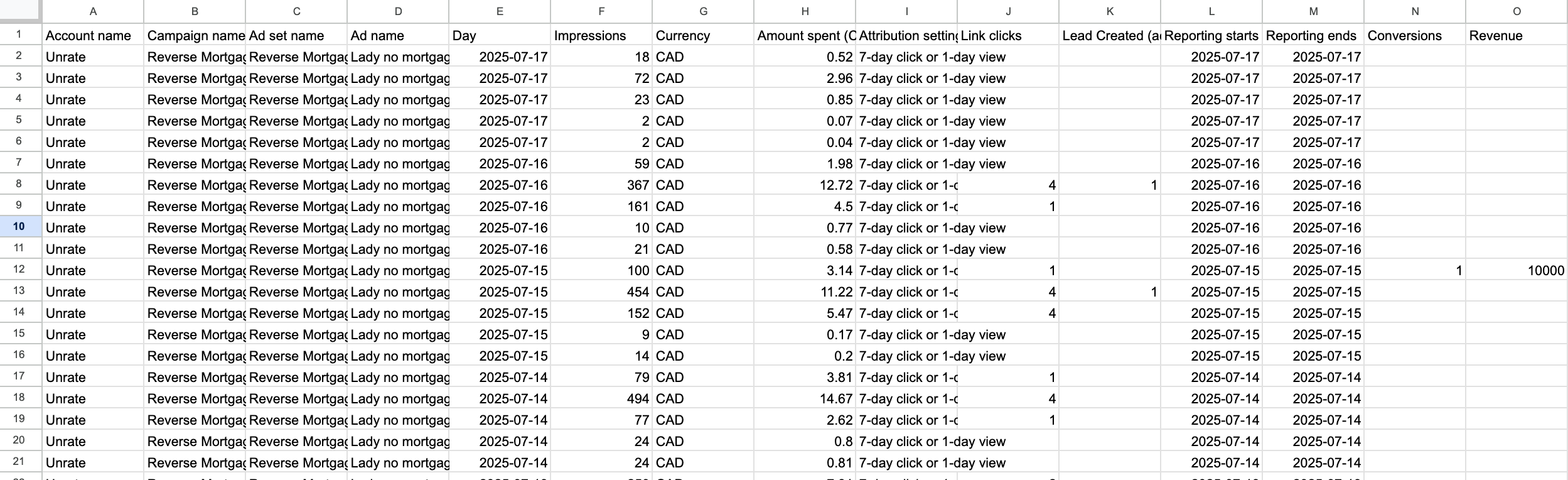
It took maybe four hours. Now that it’s built, it’ll take ten minutes to clone for the next client or project. Check it out here.
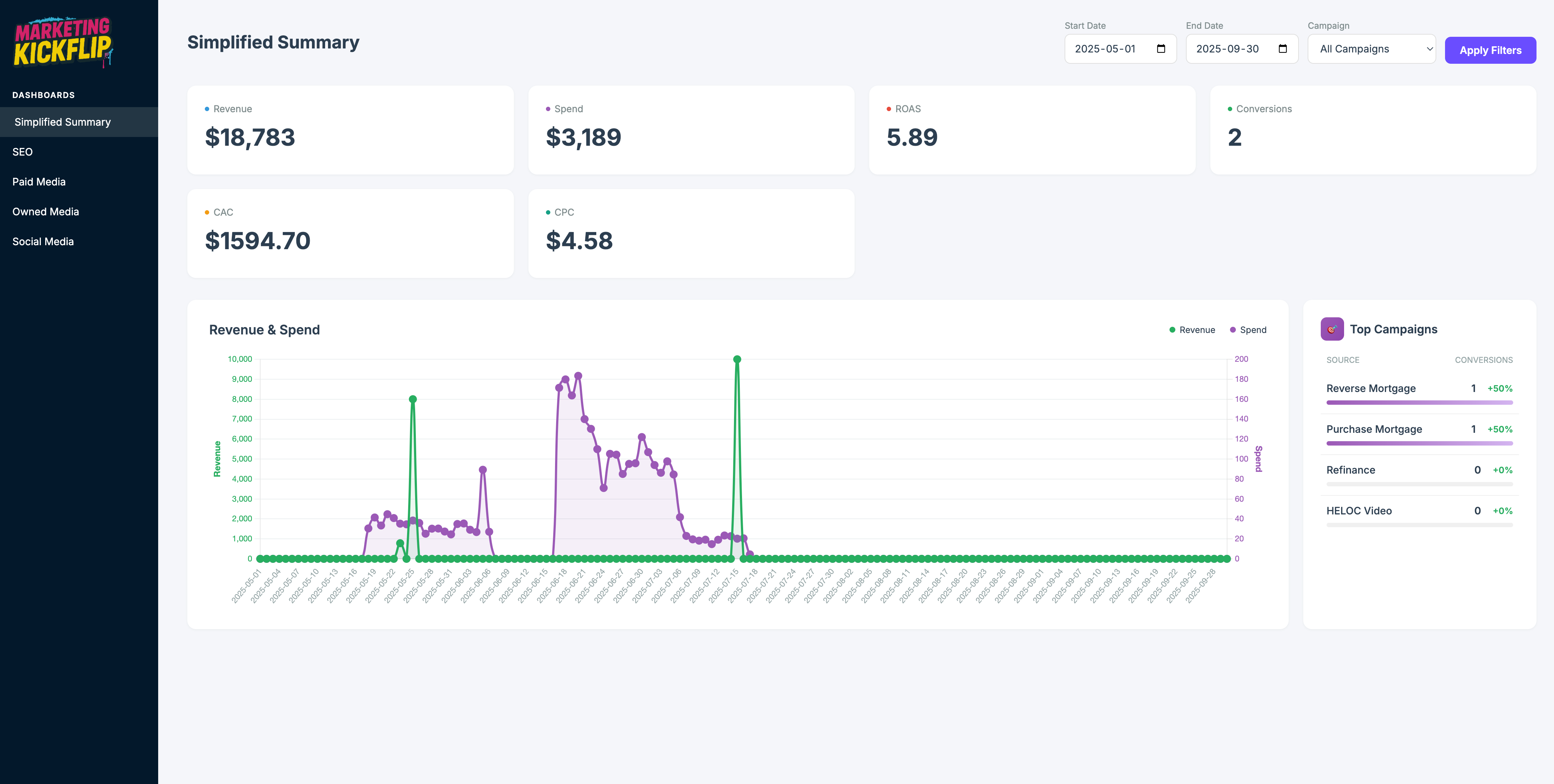
If I really wanted to automate it, I can use Zapier to download the Facebook Lead Ads data into a Google Sheet or AirTable, but it is fine for now.
Would a “real” BI tool do this better? Maybe… Would it cost me hundreds per month and force me to learn a system that fights me the second I want to customize something? Definitely. Would it let me ship something this fast? Nope.
This is the magic of vibe coding: The ability to get things done while simultaneously annoying every engineer I know.
Vibe coding empowers me with just enough technical skill to bend data to my will, without turning my job into a full-time engineering role. It’s the sweet spot between spreadsheets and full-stack development. And if you’re a marketer, you should learn it.
Let’s break down why.
The Case for Vibe Coding
1. You’re no longer waiting for BI teams
Marketers live under the tyranny of “we’ll put that request in the backlog.”
Need a custom field?
Need revenue broken out by device and campaign type?
Need your spend pulled in from platform B and blended with data from platform C?
Cool, see you next quarter.
With vibe coding, download the raw data or connect directly using Zapier, connect Replit, and build what you need. No support tickets, no prioritization meetings.
2. BI tools are powerful, but they’re rigid
BI tools are great, don’t get me wrong. But for marketers, we move fast. Campaigns launch, creatives rotate, tracking breaks, naming conventions get sloppy, UTM parameters mutate in the wild.
We need tools that can flex with us, not tools that we need to work around.
Vibe coding lets you patch, adjust, fix, and rebuild on the fly.
Your line charts don’t care if your code is “ugly,” they only care that the underlying logic works.
3. You’re building things that make you way more valuable
A marketer who can write a Python script, connect an API, or build a small app becomes dangerous in the best way. Suddenly you aren’t just “managing campaigns,” you’re creating infrastructure.
You’re building dashboards, attribution models, creative analysis tools, or even little internal apps that make the team faster.
You become the person who fixes problems instead of the person who waits on someone else to fix them.
4. The future of marketing portfolios is changing
Portfolios used to be for designers and engineers. Not anymore.
Marketers are now expected to show their work, the same way creators share content and designers share Figma files.
Future marketing portfolios won’t be “here are some campaigns I ran.”
They’ll be:
here’s a dashboard I built to measure my campaign
here’s a growth model I wrote the earned millions
here’s a custom landing page experiment I coded and reduced CAC by 20%
here’s a GTM system I built from end to end and made millions
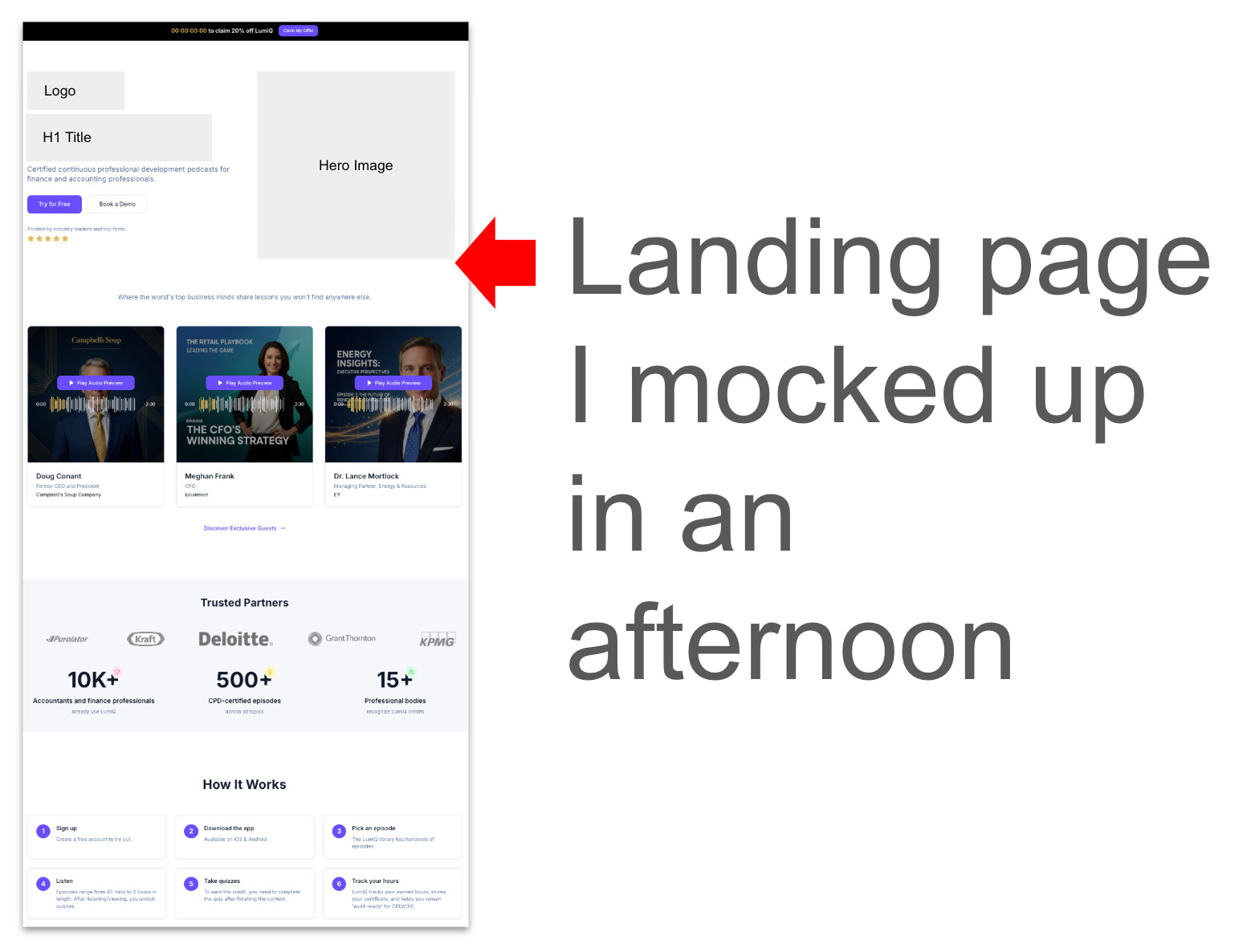
Marketers who can build are going to leapfrog everyone who can only request.
The Downsides (because there are a few)
1. Your code will be messy
It won’t win any awards. It may even offend someone who uses phrases like “code is art”
2. Vibe systems can break
You’ll forget where something lives. An API key will expire. A Sheet tab name will change. You’ll swear at your laptop.
But here’s the thing. Marketers already deal with breaking systems every day. Keep yourself organized and remember that you have the power to fix it instead of waiting for help.
3. You might accidentally become the “data person”
Once people realize you can build dashboards in an afternoon, every team suddenly has “one quick request.”
Set boundaries. Or don’t. It might help your career.
Why You Should Start Now
I’m not arguing you need to become a full programmer. But you do need to understand how to move data, automate simple workflows, connect tools, and build lightweight apps.
Marketing has been moving in this direction for decades. Agencies now build tracking tools and digital products, not just ads. Vibe coding fills the gap for individual marketers
If you can write a few lines of Python, stitch together a Sheet, and deploy a small script in Replit, you can build anything you need.
A dashboard today.
A reporting engine tomorrow.
Maybe your own internal product next year.